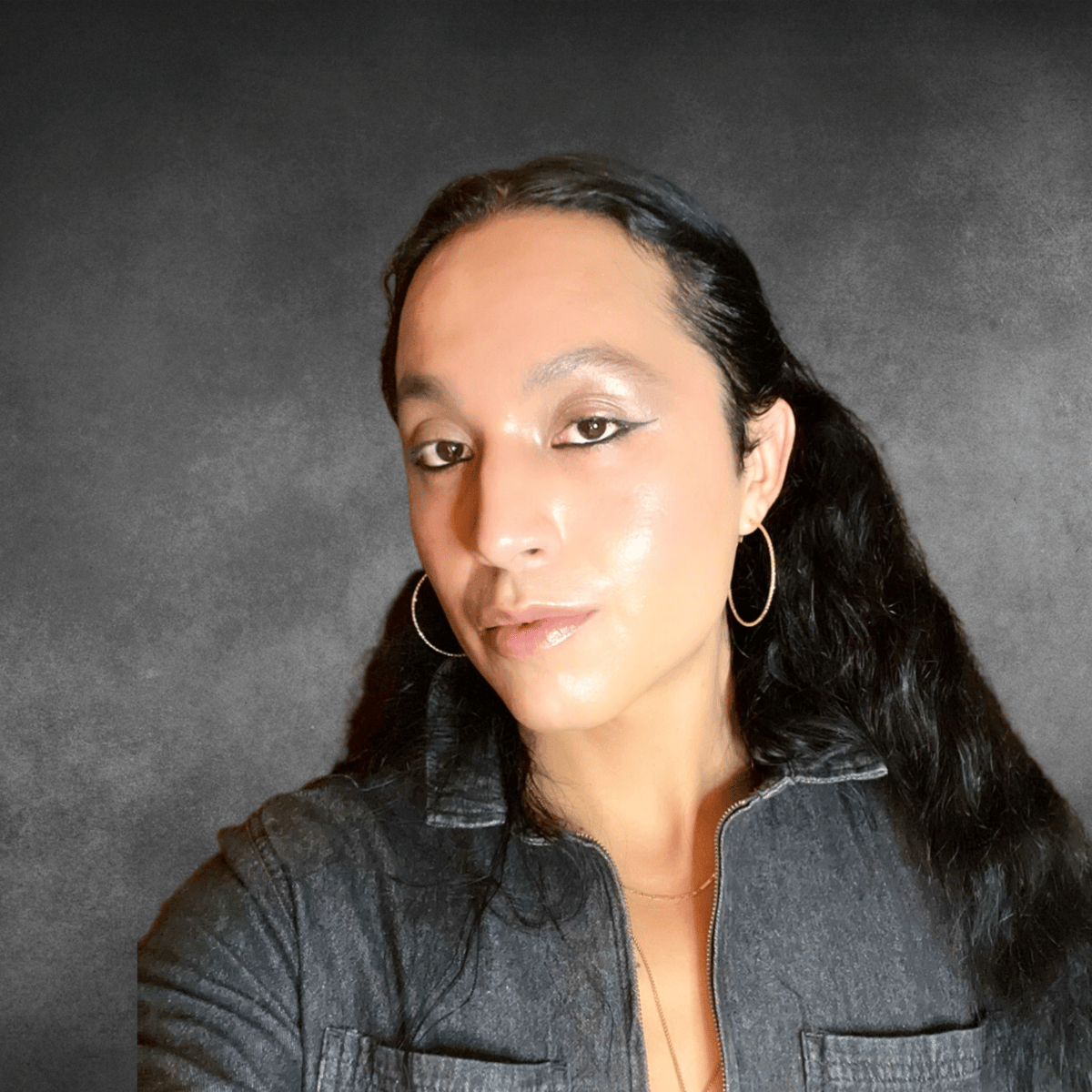
As a tarot reader, do you consider yourself a visual activist?
Tarot is a tool to make seen: love, hope, fear, abuse, the dead, the soul. The psychic sees what other’s cannot, or perhaps what other’s refuse to tolerate; the ethical psychic recognizes and directs this sight towards resistance, which is to be committed toward a vocation of truth-telling and a humanizing recognition that bears honest witness.
I’ve had several readings where tarot has shown me other’s infidelity, several readings where the cards have alerted me toward my clients potential histories of both financial, physical and emotional abuse. Then, I have foreseen love to soon manifest in their lives, or I see kinks, conflict, and dissociative defense structures in the psyche.

Dissociation is a mode of unseeing, a denial of sight, and of personhood, a blind eye toward abuse being perpetuated. There is so much violence and abuse being exposed and made plain for all to see, violating transgressions dragged into daylight after violating transgression, yet another reckoning is required.
In 2014, visual activist Zanele Muholi gave the keynote speech at the International Association of Visual Culture in San Francisco, titled “Visual Activism.”
At this conference she asks: “What does it mean to be seen to be a citizen in global era?” “Who represents us at local and national levels in a globalized society?” “If the state cannot back up its own declarations with actions, how do we represent ourselves, visually and politically?”
Tarot certainly presents a unique entry into visual culture that is the relation between what is visible and the names that we give to what is seen. And what we visualize, as with the aid of the cards, is not always visible. To unpack what it means to be a visual activist and the repressive social and political context from which this position and practice emerge, I am announcing that the next iteration of Paper Crowns is open for enrollment.

Paper Crowns will explore the court cards as an archive of the portraits of the powerful. Within these compositions we will contend with the myriad ways one can face - and be faced with - our own subjectivity. We will concern the visibility of the historically invisible, the politics of the gaze, the construction of new archives; the tarot reader as visual activist generating new ideas about community and citizenry.
As Basquiat’s three-pointed crown has become an iconic emblem of identity, authority and nuanced historical commentary, attending the visual structure of the tarot’s court cards in this class will explicate nuanced, deeply political subject matter that arises from seeing our own reflections in these papers kings and queens.
The crown is a symbol of authority, power, reverence, illumination. To be crowned is to be granted elevated status and power, but what happens when we, the queer readers of color, the disabled, the poor, the readers who resist, look for ourselves in these cards? How does one even read a portrait? How do we create images and see ourselves without fetishization?
Beyond the predictive capacities of divination, tarot offers a unique mode of self-reflection, required for transformative action. A divination or a reading facilitates true words, as Paolo Freire defines, that is a dialogue between persons who work together to name the world anew, which here implies a vision for change, pursuing new ways to see and be seen.
Paper Crowns is a class endeavor to direct students from reading tarot as simple observer towards taking tarot as a participatory art. In the class, we culminate our studies with student presentations of their self-portraits as the court cards themselves.

Paper Crowns alumna, Kieuntha as the King of Cups
We claim the right to see and be seen.
Paper Crowns: A Court Class on Portraiture, Visuality and Power with Christopher Marmolejo
April 22nd - May 19th / 5 - week intensive, Wednesdays, 2pm pst / Live on Zoom, or watch asynchronously / Sliding scale from $645
Here’s a testimony from Kieuntha about her time studying with me:
“Those classes changed the way I look at the world in such a big way. Paper Crowns is still, still my favorite class! From talking about the Kings at the start and then enjoying every next slide, I was like ‘oh shit!’ I’m constantly going back and re-reading things, there are so many layers. Something that didn’t apply before suddenly does now. There is so much here.”
I’ll be sharing more about the class in some upcoming posts, so stay tuned. This will likely be the last live run of the class, so I hope you’ll join me. After that, its goin in the Vault!
Sign up and see how tarot cultivates a visibility, respect, and recognition required of survival. Sign up and confront the crown and come to not just see yourself in the cards, but to put yourself in the cards.
x,
Christopher
